
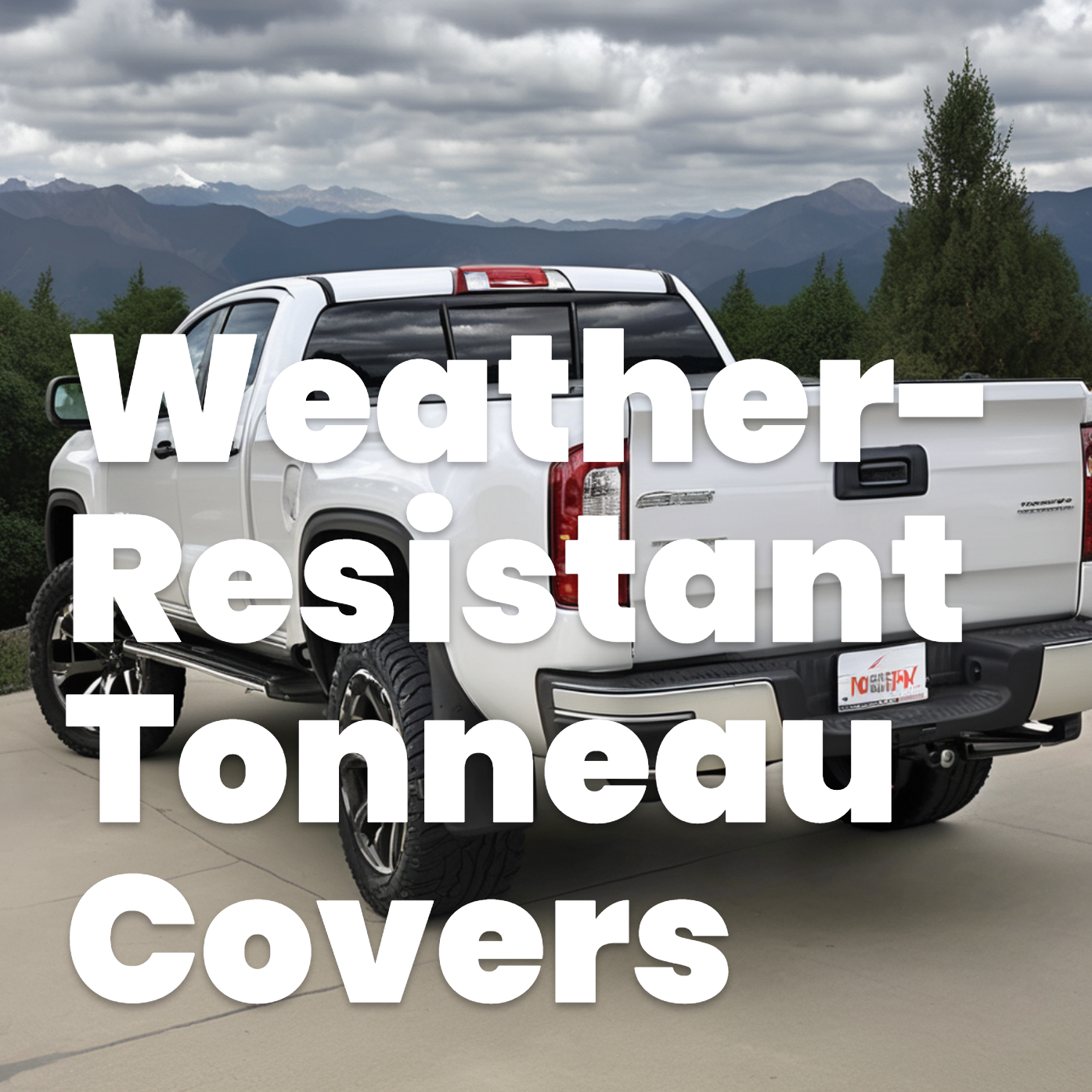
A tonneau cover is built to protect your truck bed, but harsh weather can slowly wear it down if it isn’t cared for properly. Heavy rain, snow, intense sun, ice, and strong winds all take a toll over time.
With the right habits and maintenance, you can significantly extend the life of your tonneau cover — even in extreme weather conditions. This guide explains how to keep your tonneau cover strong, secure, and reliable through harsh weather all year long.
Understand How Weather Affects Tonneau Covers
Different weather conditions impact tonneau covers in different ways.
Common weather-related issues include:
Sun fading and material cracking
Water leaks and seal damage
Snow weight causing sagging
Ice buildup stressing hinges
Wind loosening clamps
Knowing these risks helps you prevent long-term damage.
Choose the Right Material for Your Climate
Durability starts with material choice.
Weather-resistant materials include:
UV-treated vinyl for sun protection
Powder-coated aluminum for rust resistance
Fiberglass for insulation and strength
If you live in an area with extreme seasons, durability matters more than appearance.
Clean Your Tonneau Cover Regularly
Dirt, salt, and debris accelerate weather damage.
Best cleaning practices:
Wash with mild soap and water
Rinse thoroughly
Dry completely after washing
Clean seals and edges carefully
Regular cleaning prevents corrosion, fading, and seal breakdown.
Protect the Cover From UV Damage
Sun exposure is one of the biggest causes of tonneau cover aging.
How to protect against UV:
Use UV-protectant sprays for vinyl covers
Park in shaded areas when possible
Keep the cover closed when parked
UV protection prevents cracking, fading, and brittleness.
Inspect and Maintain Seals Often
Weather seals keep water and dust out.
Check seals for:
Cracks or stiffness
Loose edges
Gaps along the bed rails
Apply rubber conditioner to keep seals flexible and effective.
Tighten Clamps and Hardware Before Storms
Strong winds can loosen poorly secured covers.
Before harsh weather:
Tighten all clamps
Check hinges and latches
Replace damaged hardware
Secure hardware prevents flapping, lifting, and water intrusion.
Remove Snow and Ice Promptly
Snow and ice add weight and stress.
Safe removal tips:
Use a soft broom or brush
Avoid sharp tools
Remove heavy buildup as soon as possible
Leaving snow to accumulate can cause sagging or structural damage.
Avoid Forcing the Cover in Freezing Temperatures
Cold weather makes materials less flexible.
Best practices:
Let the truck warm up before opening the cover
Avoid forcing frozen latches
Clear ice around hinges first
Forcing frozen components can crack or break them.
Ensure Proper Drainage After Heavy Rain
Standing water can damage seals and materials.
What to do:
Check for water pooling
Adjust tension if needed
Ensure rails are level
Good drainage reduces leaks and prolongs seal life.
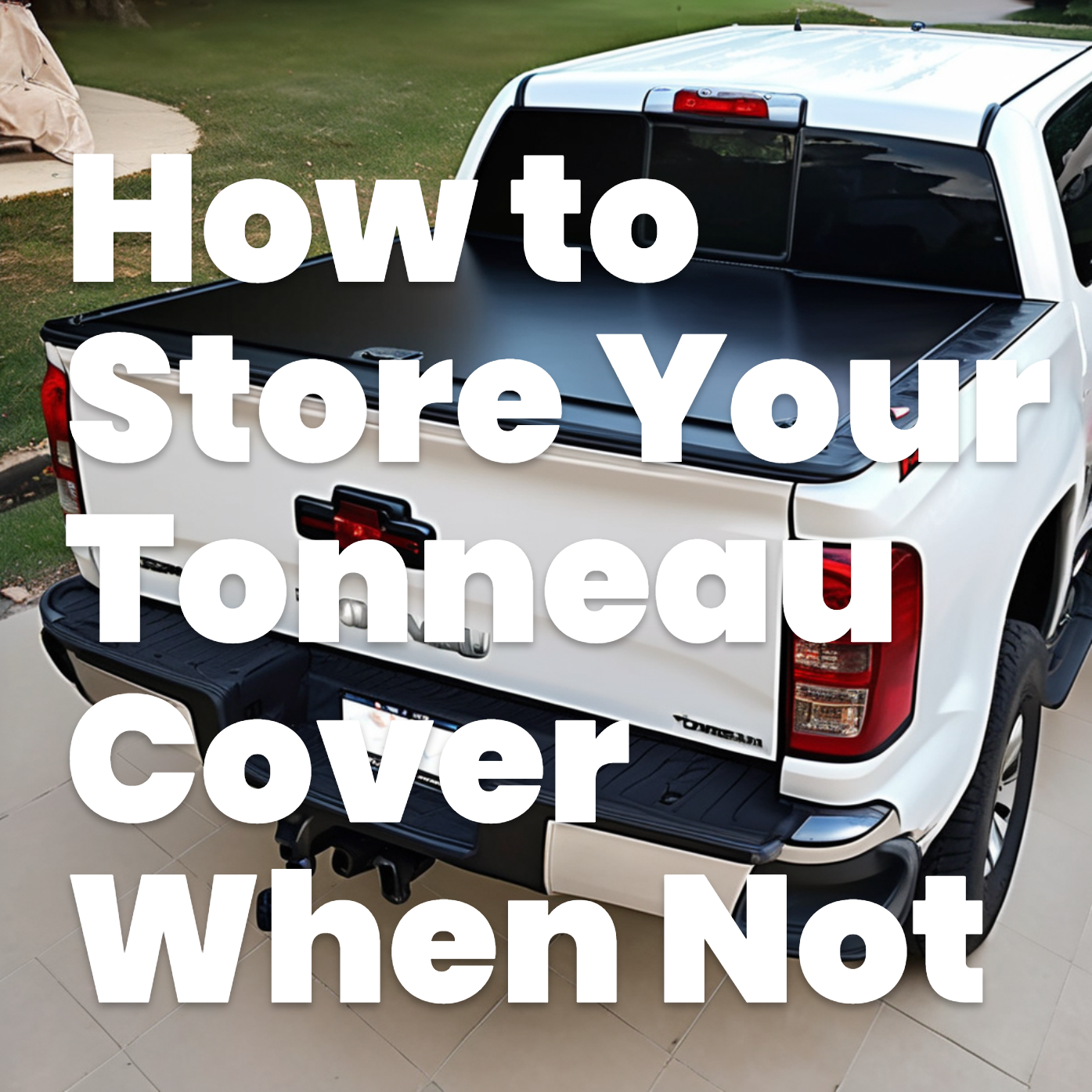
Store the Cover Properly When Not in Use
If you remove your cover during certain seasons, store it correctly.
Storage tips:
Clean and dry completely
Store flat in a dry area
Protect from direct sunlight
Avoid stacking heavy items on top
Proper storage prevents warping and material breakdown.
Check Fit and Tension Seasonally
Temperature changes affect material tension.
Seasonal checks:
Tighten in cold months
Loosen slightly in extreme heat
Re-align if shifting occurs
Seasonal adjustments maintain a secure, weather-tight fit.
Watch for Early Signs of Weather Damage
Catching issues early saves money.
Warning signs include:
Fading or chalky surfaces
Persistent leaks
Unusual noises while driving
Difficulty opening or closing
Address problems immediately before they worsen.
Avoid Driving in Severe Wind With a Loose Cover
High winds can lift unsecured covers.
Before driving:
Ensure the cover is fully closed
Secure all latches
Avoid partially open positions
This protects both the cover and your truck.
Use Weather-Specific Accessories If Needed
Some environments require extra protection.
Helpful accessories:
Bed rail caps
Tailgate seals
Support bars for soft covers
Accessories can significantly improve weather resistance.
Know When Replacement Is the Better Option
Even with care, covers don’t last forever.
Consider replacement if:
Material is brittle or torn
Seals no longer hold
Hardware is severely corroded
A new cover may provide better protection and performance.
Final Thoughts
Learning how to make your tonneau cover last through harsh weather helps you protect your investment and avoid unnecessary replacements. Regular cleaning, proper tension, seal maintenance, and seasonal care all play a major role in long-term durability.
With the right attention, your tonneau cover can handle rain, snow, sun, and wind — year after year — while keeping your cargo protected and your truck looking great.

Write a comment ...